Finding a reliable tension rod pull up bar for home use can boost upper-body training without drilling into doors or walls. This guide highlights five top options, comparing safety, load capacity, adjustability, and comfort features. Each product section links directly to Amazon for quick viewing and purchase.
Product Quick Reference
| Product | Brand | Max Load | Adjustability | Special Features |
|---|---|---|---|---|
| ProsourceFit Heavy Duty Doorway Mount Pull Up/Chin-Up Bar | ProsourceFit | 220 lbs | 24”–39” | Foam grips; doorway mounting |
| Sportneer Pull Up Bar: No Screws | Sportneer | 297 lbs stated; 744 lbs instantaneous | 29.5”–37” | No drilling; anti-slip mats; high safety factor |
| Pull Up Bar for Doorway: Sportneer No Screws | Sportneer | 297 lbs stated; 744 lbs instantaneous | 29.5”–37” | No drilling; fixed points for stability |
| JFIT Deluxe Multi Exercise Doorway Pull-Up Bar | JFIT | 300 lbs | Up to 40” span | Hardware included; long length |
| FitBeast Pull Up Bar Doorway | FitBeast | 600 lbs | Adjustable width; no screws required | High load capacity; PVC cushion for stability |
Across these options, the common aim is secure, door-frame friendly training that supports varied grips and comfortable use. The following sections detail each pick, with notes on who benefits most from each design and how they compare on key criteria like safety, ease of installation, and grip comfort.
ProsourceFit Heavy Duty Doorway Mount Pull Up/Chin-Up Bar

The ProsourceFit model uses a doorway-mount design that fits most standard frames. It extends from 24 inches to 39 inches, allowing for doorways with varying widths. The bar supports up to 220 pounds and includes end cap brackets and screws for secure installation. Comfort is enhanced by two cushioned foam grips, which reduce hand fatigue and minimize slipping during workouts. This option is well-suited for users who want a sturdy, hardware-based setup without drilling into walls beyond the frame.
Sportneer Pull Up Bar: No Screws

Sportneer’s No Screws design emphasizes ease of setup without drilling. It supports widths from 29.5 to 37 inches and claims a maximum safe load of 297 pounds (135 kg), with testing indicating a 2.5x safety factor in instantaneous load tolerance. The bar relies on a fixative technology and two large PVC mats for friction and stability, supplemented by four metal connection points that link the base to the bar. This model is ideal for renters or spaces where wall modifications are restricted, while still offering strong performance for upper-body training.
Pull Up Bar for Doorway: Sportneer No Screws

This Sportneer model mirrors the screw-free approach with a focus on prevention of door frame damage through non-invasive anchoring. It specifies a width range of 29.5–37 inches and uses PVC mats plus four fixed points to stabilize movement during heavy loads. The design aims to balance ease of installation with reliable grip, making it a strong candidate for apartments or spaces where drilling is undesirable. As with other screw-free bars, user adherence to frame limits and wall conditions is essential for maintaining safety during workouts.
JFIT Deluxe Multi Exercise Doorway Pull-Up Bar
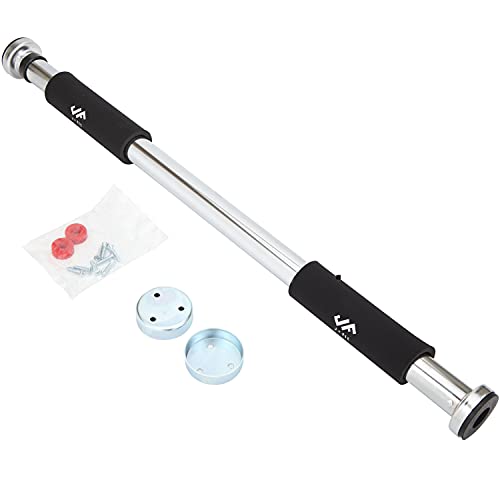
The JFIT bar is marketed as the longest standard length option in its category, fitting doorways up to 40 inches with hardware included for secure mounting. It supports up to 300 pounds and emphasizes stability with safety brackets and sit-up plugs. The adjustable comfort grips, made from neoprene and secured with Velcro, allow users to customize grip position for various pull-up and chin-up motions. For those prioritizing a longer reach and a robust mounting system, this model offers a solid mix of capacity and versatility.
BouPower Pull Up Bar: No Screws With Level Meter

BouPower emphasizes no-installation convenience and a high load capacity, claiming up to 440 pounds. It features adjustable width to fit most door frames from 27.6 to 36.2 inches and includes a level meter to aid in alignment. The product highlights a double-layer PVC pad system for added friction and a stable base, aiming to minimize movement during vigorous sessions. This option is well-suited for users who want a strong, easy-to-use bar without creating marks on door frames.
Buying Guide: Key Purchase Considerations
When choosing a tension rod pull up bar, consider the following factors to align with your space, training goals, and safety concerns.
- Door frame compatibility: Measure doorway width and check the product’s adjustable range. Some bars fit only narrower or wider frames, and a misfit can compromise safety.
- Load capacity and safety margins: Look for stated maximum loads and real-world testing notes. A higher load capacity with a clear safety factor generally indicates better stability for intense workouts.
- Installation method: Decide between screw-in (more secure) and no-drill designs (easier rental-friendly options). For static setups, screw-in models may offer greater long-term stability, while no-screw designs provide flexibility and reversibility.
- Grip comfort and material: Multi-grip options and cushioned handles reduce hand fatigue and skin irritation. Foam grips are common, but silicone or rubber pads can improve durability against wear.
- Frame protection: Consider models that include protective pads or silicone contact surfaces to minimize door frame wear and marks during dynamic movements.
- Portability and storage: If you move frequently or have limited space, select a lighter, easily removable bar with quick setup.
- Accessories and included hardware: Some bars come with brackets, screws, or optional resistance bands, which can affect overall value and setup options.
- Usage environment: Instantaneous load tolerance and stability depend on usage conditions, such as dust, wall texture, and door frame integrity. Always follow manufacturer guidance for maximum loads and safe use.
In evaluating these five products, users should balance maximum load against installation preference (screws vs. no screws) and door frame compatibility. Those seeking aggressive upper-body routines may favor the higher capacity options like FitBeast, while renters or temporary setups might prioritize the no-drill sportneer models with built-in leveling aids. The JFIT option can appeal to users who want length and robust hardware support in a single package, and ProsourceFit offers a straightforward doorway mount with cushioned grips for comfort during longer sessions.
Overall, selecting the best tension rod pull up bar involves aligning your training needs with door frame specifics, comfort features, and the level of installation convenience you require. Each of the five highlighted products provides a distinct blend of stability, ease, and grip options to support varied pull-up and chin-up routines in a home gym setup.
Add a Comment