For hockey card enthusiasts, Pavel Bure rookie cards hold a special place in collecting history. This guide focuses on value drivers, condition, and market trends to help buyers gauge worth. We highlight notable Pavel Bure rookie cards and related hockey singles, while offering a buying guide to navigate assessments, grading, and long-term potential. The following selections present a mix of classic and modern examples to illustrate how value can shift with scarcity, condition, and demand.
| Product | Brand / Series | Notes |
|---|---|---|
| 1990-91 Upper Deck English High Series 2 Hockey #526 Pavel Bure RC Rookie | Upper Deck | Vintage classic, strong early Bure rookie card |
| 2000-01 Be A Player Memorablia Hockey #161 Pavel Bure Florida Panthers | ITG / Be A Player | Popular mid-era Bure card; desirable for Panthers period |
| 1987 Topps Baseball #320 Barry Bonds Rookie Card | Topps | Non-hockey, included for comparison of rookie card markets |
| 2013 Panini Rookie Anthology Hockey Card (2013-14) #31 Pavel Datsyuk | Panini Rookie Anthology | Not Pavel Bure, but relevant for hockey rookie card demand patterns |
| 2008 Topps Rookie Progression Football Rookie Card #86 Plaxico Burress | Topps Rookie Progression | Non-hockey; illustrates cross-sport rookie value considerations |
| Bobby Witt Jr 2022 Topps Update Rookie RC Card #US100 | Topps | Non-hockey; shows rookie card market dynamics in modern baseball |
1990-91 Upper Deck Pavel Bure RC Rookie
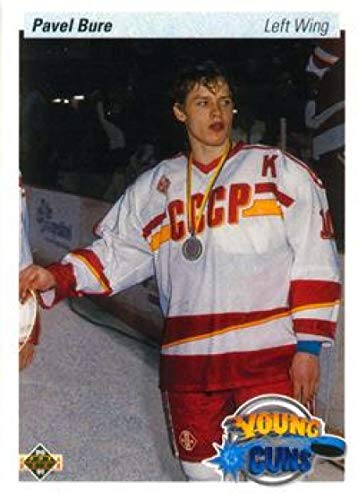
This 1990-91 Upper Deck English High Series 2 card features Pavel Bure in his Vancouver Canucks rookie year. As an early Bure rookie, it remains a benchmark for evaluating Condition and scarcity within classic hockey cards. Collectors assess centering, corner wear, surface gloss, and print defects to estimate value. The presence of strong market interest in Bure’s rookie cards across eras can influence demand and prices, making this a focal point for long-term investment considerations.
2000-01 Be A Player Memorablia Hockey #161 Pavel Bure Florida Panthers

From ITG’s Be A Player line, this Pavel Bure card captures a different era of hockey memorabilia. Collectors weigh the card’s condition, protective packaging, and the card’s role within a broader Bure collection. The Florida Panthers period adds a distinct collectible narrative, which can influence perceived value among players’ fans and set completers. Packaging, authenticity, and grading consistency are essential factors when evaluating potential investment or display pieces.
1987 Topps Barry Bonds Rookie Card

While not a Pavel Bure card, this example helps illustrate how market demand and rarity interact in rookie cards across sports. Barry Bonds’ rookie gains reflect how a card’s age, grade, and presentation impact value, offering a useful lens for evaluating hockey rookies like Bure in comparable conditions.
2013 Panini Rookie Anthology Hockey Card (2013-14) #31 Pavel Datsyuk

This Datsyuk card demonstrates market dynamics for modern hockey rookies, including grading and preservation. While not a Bure rookie, it reflects how modern sets manage scarcity and demand movement. Investors can apply these principles to Pavel Bure rookies by considering print runs, autographs, and parallel versions in the Bure market.
Bobby Witt Jr 2022 Topps Update Rookie RC Card #US100

This modern baseball rookie card highlights contemporary market movements, with demand driven by rookie class popularity and card grade. For hockey rookies like Pavel Bure, similar dynamics apply: grade, scarcity, and audience interest can steer value over time.
Buying Guide: Key Purchase Considerations
- Condition and grading: The card’s grade (CGC, PSA, BGS, or equivalent) is the primary value driver. Even minor corner or surface flaws can significantly affect price, especially for early Bure rookies.
- Rarity and set context: Early Upper Deck Bure rookies generally command more interest due to era scarcity. Limited print runs, serial-numbering, or errors can add premium value.
- Centering and corners: Classic issues often suffer from centering shifts and edge wear. Cards with pristine corners and glossy surfaces are typically more valuable.
- Market demand: Buyer interest can spike around anniversaries, player milestones, or new fan-focused releases. Monitor auction activity and price guides.
- Authenticity and protection: Ensure cards are safeguarded in sleeves, top loaders, or screw-down cases. Authenticity is crucial for high-value Bure rookies.
- Presentation and display: Collectors value well-presented pieces. Condition for display-grade copies can influence willingness to pay a premium.
- Comparative analysis: Use similar rookie cards from the same era to gauge price ranges, recognizing that hockey may move differently than baseball or football markets.
- Storage and insurance: Proper storage reduces risk of damage. For invested pieces, consider insurance and professional grading once you’ve established a targeted set.
Buying strategy should combine condition awareness, market trend tracking, and a clear objective—whether building a complete Pavel Bure rookie run, securing a marquee early issue, or acquiring a handful of promising mid-era cards for growth potential.
Add a Comment