When lifting heavy, a neoprene weight lifting belt can offer core stability, comfort, and consistent intra-abdominal pressure. This guide highlights five top neoprene belts chosen for American lifters, covering size options, quick-lock features, and competition readiness. Each product below is evaluated for fit, durability, and support, helping you choose a belt that matches your training style—from powerlifting to cross-training.
Summary of selected products
| Brand | Product | Key Feature | Size Range |
|---|---|---|---|
| Gymreapers | Quick Locking Weight Lifting Belt (Medium) | 4 inch neoprene, strong quick buckle | Medium |
| Gymreapers | Quick Locking Weight Lifting Belt (Small) | 4 inch neoprene, compact design | Small |
| Element 26 | Self-Locking Weight Lifting Belt (Medium) | Self-locking buckle, 4 inch profile | Medium |
| DMoose Fitness | Gym Belt (Small) | Premium neoprene, 6-inch back support | Small |
| Iron Bull Strength | Weightlifting Belt (Medium) | 6 inch auto-lock back support | Medium |
Gymreapers Quick Locking Belt — Medium

The Gymreapers Quick Locking Belt features a 4-inch neoprene body with a robust locking buckle designed for rapid adjustments between sets. Its uniform width supports consistent intra-abdominal pressure, aiding core stability during heavyweight lifts. A cautionary note emphasizes accurate sizing by measuring around the naval rather than relying on waist size, ensuring a secure and comfortable fit for powerlifting, Olympic lifting, and cross training. The belt is competition-tested and widely used in varied events, providing reliability during fast-paced workouts.
Gymreapers Quick Locking Belt — Small
This small variant mirrors the medium in construction: a 4-inch neoprene belt with a quick-locking buckle. The design emphasizes an even belt width to maximize intra-abdominal pressure throughout the lift. Like other Gymreapers models, sizing should be verified by measuring around the naval to capture a true fit. The belt is suitable for heavy cleans, snatches, and cross-training sessions where quick belt adjustments matter between movements.
Element 26 Self-Locking Weight Lifting Belt — Medium

The Element 26 belt uses self-locking technology to deliver a secure, non-slip fit without relying on traditional strap mechanisms. The belt maintains a uniform 4-inch width around the entire circumference, aligning with best practices for stable intra-abdominal pressure during lifts. It is fully approved for Olympic lifting and functional fitness competitions, helping athletes avoid belt compatibility issues in meet settings. The design prioritizes quick fastening and reliable release to support high-intensity training cycles.
DMoose Fitness Gym Belt — Small

DMoose Fitness offers a premium neoprene and nylon belt designed for longevity in demanding workouts. The belt includes a 6-inch back support for maximum stability during squats, deadlifts, and Cross Training. An adjustable, durable hook-and-loop closure helps secure the belt for a snug fit across body sizes. This model emphasizes comfort and long-lasting performance, suitable for serious lifters who require dependable back protection during heavy training blocks.
Iron Bull Strength Auto-Lock Belt — Medium
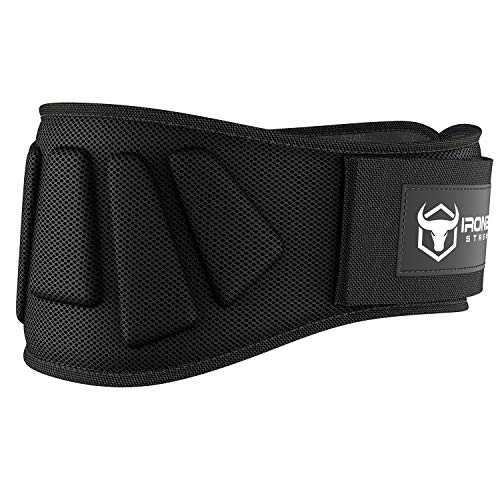
Iron Bull Strength combines a 6-inch wide front and back profile with auto-lock fastening for a confident, quick-secure closure. The contoured, tapered design provides support where it matters most while preserving mobility around the sides. The belt’s auto-lock mechanism aims to resist slipping during heavy lifts, making it a reliable option for both men and women engaging in powerlifting, strength training, or cross training. This belt emphasizes stability and ease of use for high-intensity sessions.
Buying Guide: Key Purchase Considerations
- Size and fit: Measure around the naval for accurate sizing. A belt that is too loose or too tight can compromise stability and comfort during lifts.
- Width and coverage: A 4-inch width is common for balancing stability and mobility; some lifters prefer broader front/back coverage (6 inches) for additional support on heavy lifts.
- Locking mechanism: Quick-lock buckles offer faster transitions between exercises, while self-locking or auto-lock systems help prevent belt slippage during demanding lifts.
- Material and padding: Neoprene provides comfort and flexibility; look for reinforced stitching and secure closures to sustain long training cycles.
- Competition compatibility: If you compete, verify whether the belt is approved for your event, to avoid compatibility issues at meets.
- Intended use: Some belts emphasize back support as a broad feature, while others focus on intra-abdominal pressure and core stability as the primary mechanism.
- Maintenance: Regularly inspect buckles and Velcro for wear. Clean the belt according to manufacturer guidance to extend life.
- Versatility: If you train across modalities (Olympic lifting, powerlifting, CrossFit), choose a belt that remains comfortable across varied movements and lifter heights.
Injury prevention and performance consistency benefit from selecting a belt that fits your body type and training goals. The belts above showcase a range of locking mechanisms, back support widths, and competition readiness, enabling you to select a neoprene belt that aligns with your lifting routine.
Add a Comment